Is meditation tough for you? Try this first
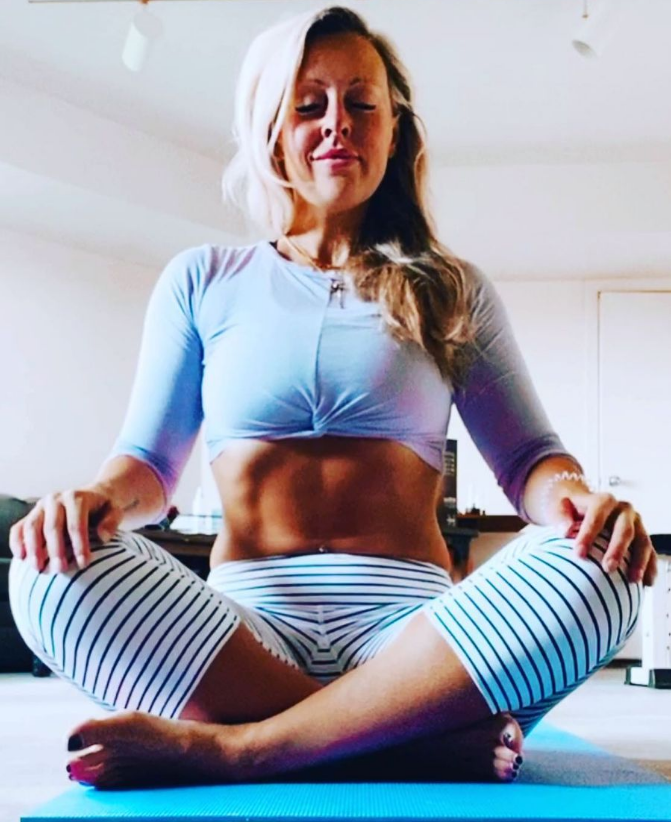
Meditation is tough for the average person. But even tougher if you are anxious, like me.
Meditation is tough for the average person. But even tougher if you are anxious, like me.
My entire life I have struggled with anxiety. The big stuff, the small stuff, I sweat it all. Being the center of attention or speaking in front of a group still brings on sweaty palms, a racing heart, negative thoughts, and that gut wrenching feeling of imposter syndrome. I used to stumble my way through presentations, rehearsing over and over until I worked myself up into a full state of anticipatory panic, then laying awake at night imagining everything that could go wrong. And that’s just one area of my life where anxiety likes to show up.
In college, I started researching anxiety, trying to figure out what it all meant. I thought that if I understood the science behind it, I would be able to control it or stop it before it took over. Not surprisingly, that didn’t work. What did shift things for me was accepting that my anxiety is just that, mine. Not something to fight or outsmart, but something I needed to learn how to live with. I’m not going to get into where it comes from, mostly because I still don’t have a clear answer, but I can tell you what has helped me manage it.
Breathwork.
I had tried meditation before, but it never stuck. The mental noise felt too loud, and the urge to get up and do something always won. Sitting still and trying to focus felt overwhelming at the time. It wasn’t until I was taking classes with IIN that I was introduced to breathwork in a way that actually clicked. One of the first techniques I practiced was breathing in through the nose for a count of four, holding for seven, and exhaling through the mouth for eight. It was simple, but it worked.
From there, I started exploring more. Box breathing, alternate nostril breathing, Wim Hof. When you practice this kind of breathing, you are stimulating the vagus nerve and activating the parasympathetic nervous system. In other words, you are telling your body it is safe to relax. After just a few rounds, I could feel myself come out of that constant fight or flight state I had been living in.
I started weaving breathwork into my day. In the morning, between tasks, before meetings, before anything that would normally spike my anxiety. Even something as simple as going to the grocery store. It gave me something to come back to, something that grounded me. Over time, I started noticing real changes. My resting heart rate dropped, my stress levels felt more manageable, and I wasn’t constantly on edge. It felt like I had finally found something that worked with my body instead of against it.
That’s when I decided to circle back to meditation.
And this time, it felt different.
Meditation became easier once I had a foundation with breathwork. It no longer felt like I was sitting there fighting my thoughts. I had a way to anchor myself. If you’re not sure where to start, guided meditations can be really helpful. YouTube is a great place to begin, and there are also apps like Calm, Superhuman, Aura, and Headspace that can walk you through it.
Now, I carve out 10 to 20 minutes every morning for meditation. It has become a non negotiable part of my routine. I also try to wind down with a short meditation at night, though I’m still working on being consistent with that. The biggest changes I’ve noticed are fewer anxious thoughts, better emotional regulation, more mental clarity, and a more positive outlook overall. Things feel a little lighter, a little more manageable.
Like anything else, consistency matters. Building a breathwork or meditation practice does not have to be complicated, but it does require you to show up for it. Even a few minutes a day can shift your energy and help you see where your attention is going. For me, it means spending less energy worrying about everything and more energy focusing on what actually matters and what makes me feel good.
So I’ll leave you with this. Try it. Just give yourself 10 minutes. It might feel a little uncomfortable at first, and that’s okay. But if you stick with it, even just a little, you might start to notice a shift. And at the end of the day, isn’t that what we’re all looking for? A little less stress, a little more ease, and the ability to put our energy into the things that actually matter.